Your nervous system and immune system are in constant communication. If you live with an autoimmune or inflammatory condition, learning about this connection may help explain why stress, sleep, and recovery are often discussed as part of overall health.
We’ve added HRV monitoring to our daily practice. Here’s what it measures, what it can’t tell you, and how we use it.
Watch our video to learn more about HRV and why the connection between the nervous system and immune system is an important area of ongoing research.
Watch the Episode
Ask the Rheumatologist
In this educational conversation, Jeannette Hart, PA-C, Dr. Derek Peacock, and Leah Streich, PA-C, talk about the science behind HRV, how the nervous and immune systems are connected, and practical ways to support your overall well-being through sleep, movement, breathing, and recovery.
Heart rate variability (HRV) is the natural variation in time between one heartbeat and the next. It gives a window into how your autonomic nervous system is working. This is the part of the nervous system that helps your body respond to stress, rest, and recover.
Scientists are increasingly interested in HRV because the nervous system and inflammation are closely connected. Studies have found lower HRV in some people with inflammatory diseases such as rheumatoid arthritis and lupus, especially when inflammation is active. However, research results have been mixed.
Good to know
What HRV Can't Tell You
HRV is not a direct measure of inflammation.
HRV does not diagnose autoimmune disease.
HRV cannot tell on its own whether a disease is active or in remission.
Studies have not consistently shown that HRV changes when disease activity changes.
Reading your results
HRV Is Highly Individual
Many everyday factors can affect HRV, including sleep, physical activity, stress, illness, and medications. What matters is the bigger picture, not any single number.
Sleep
Physical Activity
Stress
Illness
Medications
About watches and rings
HRV numbers from consumer watches or rings cannot be directly compared with clinical measurements. Do not use them to make changes to your medications.
In our clinic
We Read HRV Results Alongside Your Exam, Symptoms and Labs
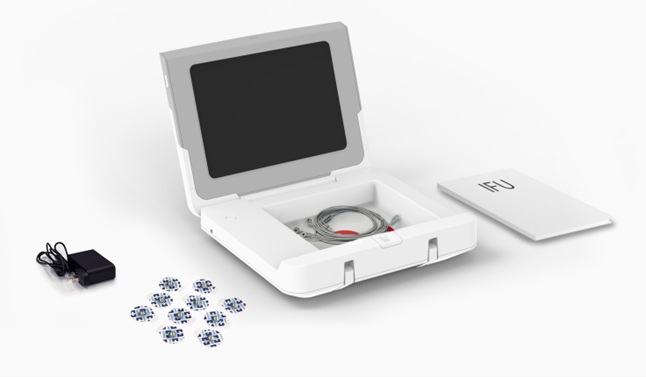
Our clinic uses CloudHRV for HRV monitoring.
We always look at HRV results together with your exam, your symptoms, and your lab tests.
Questions About HRV?
If you have HRV results, your rheumatology team can talk them through with you at your next visit.
HRV is a physiologic measure that is still being studied in autoimmune conditions. It does not replace medical evaluation, laboratory testing, or prescribed treatment. Please keep working with your rheumatology team to manage your condition.